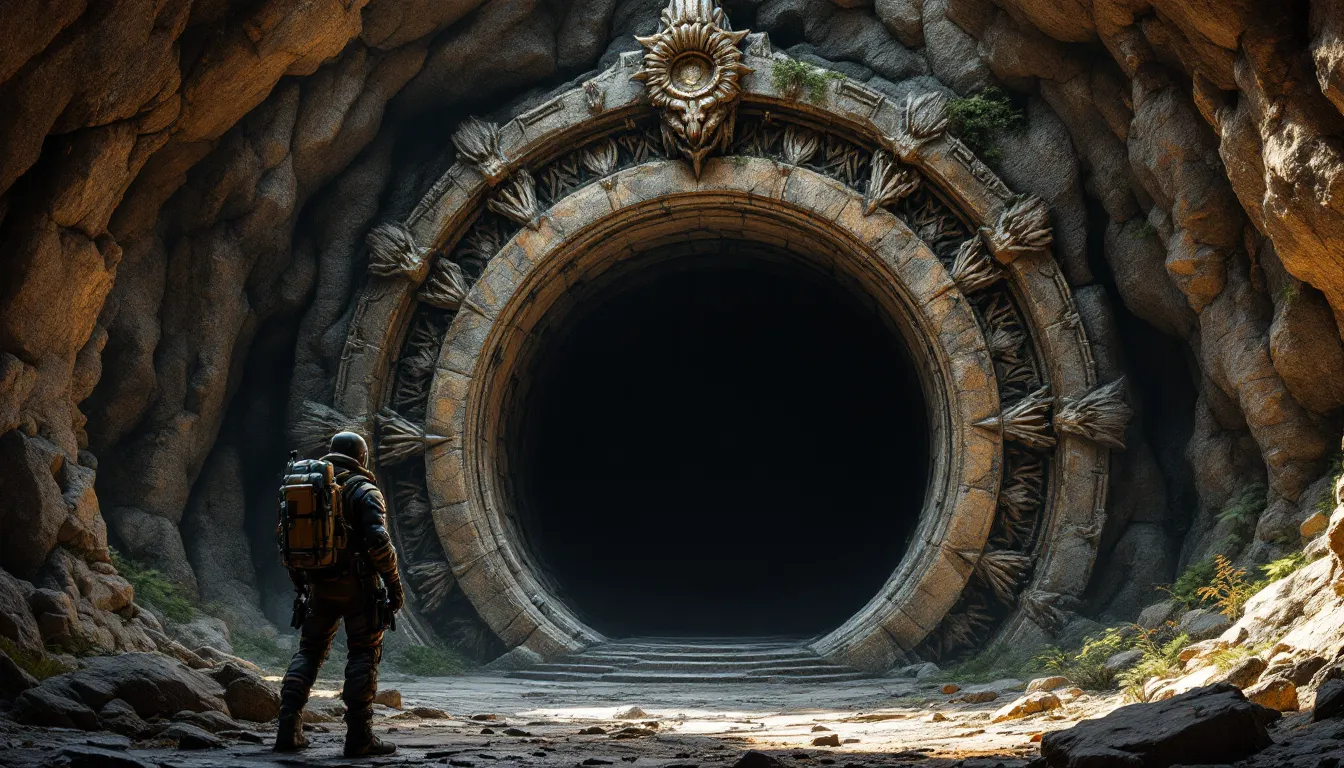
Skyrim’s surface world, with its windswept tundra, towering mountains, and sprawling forests, is only half the story. Beneath the snow and stone lies a sprawling network of underground locations packed with ancient Dwemer technology, forgotten Nordic crypts, and creatures that haven’t seen sunlight in centuries. The underground isn’t just filler content: it’s where some of the game’s most memorable loot, challenging encounters, and jaw-dropping environments live.
Whether you’re hunting for legendary gear, clearing questlines, or just want to experience the eerie beauty of bioluminescent fungi in Blackreach, mastering Skyrim’s subterranean spaces is essential. This guide covers everything from must-visit locations and enemy tactics to optimal loadouts and quality-of-life mods that make dungeon crawling less of a slog. Let’s dig in.
Table of Contents
ToggleKey Takeaways
- Skyrim’s underground network is home to legendary loot, unique questlines, and essential character progression that rivals surface exploration.
- Blackreach stands as the most impressive underground location, featuring bioluminescent beauty, hidden dragons, and the valuable Notched Pickaxe for smithing bonuses.
- Master stealth and archery builds, Light Foot perks, and fire damage tactics to efficiently handle Falmer, Dwemer automatons, and Draugr encounters in subterranean spaces.
- Stock at least 20 healing potions, 30+ lockpicks, and resistance potions before dungeon crawling to survive narrow corridors, trap-laden passages, and high-level boss fights.
- Underground exploration unlocks iconic gear like Dawnbreaker, Nightingale Armor, and the Aetherial Crown, alongside rare crafting materials essential for endgame builds.
- Quality-of-life mods like Lanterns of Skyrim II and Arena Encounter Zone Overhaul significantly enhance the underground experience for players seeking additional depth or immersion.
What Is the Skyrim Underground and Why Should You Explore It?
The term “Skyrim underground” refers to the massive collection of dungeons, ruins, caves, and crypts scattered beneath the game world. These locations range from small bandit-occupied mines to sprawling multi-level complexes filled with lore, traps, and high-tier enemies.
Why bother exploring them? Three reasons: unique loot, quest progression, and environmental storytelling. Many of the game’s best weapons and armor pieces are locked behind underground encounters. Questlines like the Thieves Guild, College of Winterhold, and main story all push you into subterranean spaces. And if you care about lore, these places are treasure troves of readable books, environmental clues, and architectural hints about Skyrim’s past.
Ignoring the underground means missing out on major content. You can speedrun the main story on the surface, sure, but you’ll hit a power ceiling fast. The real character progression happens when you’re knee-deep in a Dwemer ruin, looting soul gems and dodging Falmer ambushes.
Major Underground Locations Worth Discovering
Blackreach: The Crown Jewel of Skyrim’s Subterranean World
Blackreach is the single most impressive underground location in the game, a massive, bioluminescent cavern that feels less like a dungeon and more like an alien planet. You’ll access it through various Dwemer ruins during the main quest (specifically “Elder Knowledge”), but you can return anytime via the Great Lifts scattered across the map.
What makes it special? The sheer scale. Blackreach spans multiple zones with its own fast-travel network, hostile Falmer settlements, wandering giants, and even a hidden dragon (yes, underground). The Crimson Nirnroot side quest starts here, collect 30 of the glowing red plants for a permanent +25% alchemy XP boost. Also worth grabbing: the Notched Pickaxe on top of the glowing blue orb (Vulthuryol’s summoning device), which gives +5 to Smithing.
Tip: bring a follower with a torch or equip Candlelight. The bioluminescence is gorgeous but doesn’t always light your path.
Dwemer Ruins and Their Ancient Mysteries
Dwemer ruins are the backbone of Skyrim’s underground network. These ancient constructions, built by a now-extinct race of master engineers, are filled with spinning gears, steam vents, and deadly automatons. Key locations include Alftand, Mzulft, Nchuand-Zel, and Arkngthamz (Dawnguard DLC).
Each ruin follows a similar design philosophy: sprawling corridors, vertical shafts, and environmental puzzles involving levers and tonal locks. Players often find Dwemer ruins rewarding because they’re dense with valuable loot, Dwarven Metal Ingots (smelt the scrap for Smithing XP), soul gems, and Centurion Dynamo Cores.
Lore junkies will love the research notes and schematics scattered throughout these spaces. The Dwemer disappeared mysteriously, and piecing together what happened is one of Skyrim’s deeper narrative threads.
Nordic Burial Crypts and Draugr-Infested Tombs
Nordic tombs are everywhere, Bleak Falls Barrow, Labyrinthian, Forelhost, Saarthal, and dozens more. These locations serve as burial sites for ancient Nord warriors, now reanimated as Draugr. Expect narrow hallways, swinging blade traps, and Word Walls guarded by high-level Draugr bosses.
What sets these apart from Dwemer ruins? Pacing. Nordic crypts are generally shorter and more combat-focused, making them ideal for quick loot runs. Many Nordic tombs contain Ebony weapons, enchanted armor, and Dragon Claws needed for puzzle doors.
Pro tip: Draugr are weak to fire damage. A Flame Atronach or enchanted fire weapon trivializes most encounters.
Hidden Caves, Mines, and Secret Caverns
Beyond the major dungeon types, Skyrim is littered with smaller underground spots. Gloombound Mine (Orichalcum ore), Darkfall Cave (Dawnguard questline), and Sightless Pit (spider-infested nightmare) all offer unique encounters and rewards.
These locations often hide Easter eggs and secrets for attentive players. For example, Kagrenzel starts as a tiny Dwemer ruin but opens into a massive vertical drop with a unique Dwemer sphere enemy at the bottom. Liar’s Retreat combines a bandit hideout with a Falmer ambush, creating a chaotic three-way fight.
Don’t skip the small caves just because they lack a major quest marker. Some of the best loot-per-minute ratios come from these quick detours.
Essential Gear and Preparation for Underground Exploration
Best Skills and Perks for Dungeon Crawling
Underground spaces punish poor builds. Here’s what works:
- Sneak + Archery: The meta for dungeon clearing. Sneak attacks with a bow deal 3x damage (6x with the right perks), letting you thin enemy groups before they aggro.
- One-Handed + Block: Tight corridors favor fast weapons. A sword or mace paired with a shield lets you absorb hits while dealing consistent damage.
- Destruction Magic: AoE spells like Fireball and Chain Lightning shine in choke points. Pair with Impact perk to stagger-lock enemies.
- Illusion Magic: Muffle and Invisibility trivialize stealth runs. Frenzy spells turn Falmer camps into chaos.
Must-have perks for underground survival:
- Light Foot (Sneak tree): Ignore pressure plate traps. Saves you from dart barrages and swinging maces.
- Magic Resistance (Alteration tree): Stacks with racial bonuses. Aim for 85% total to laugh off dragon priest shouts.
- Lockpicking perks: Unbreakable lockpicks and auto-attempt make looting faster and less tedious.
Recommended Equipment and Inventory Setup
Your inventory should balance combat readiness with utility:
Weapons & Armor:
- Bring at least two weapon types. Draugr resist frost, Dwemer spheres resist shock. Versatility matters.
- Light armor users: prioritize the Nightingale Set or Ancient Shrouded Armor for Sneak bonuses.
- Heavy armor users: Ebony Mail or Daedric Armor for raw defense.
Consumables:
- Healing potions: Stack at least 20. Dungeons have few safe spots to regenerate.
- Resist Fire/Frost potions: Draugr Deathlords shout hard. Pop resist potions before boss fights.
- Lockpicks: Carry 30+. Some dungeons have multiple master locks with top-tier loot.
Utility:
- Torches or Candlelight spell: Essential for dark areas like Blackreach tunnels.
- Soul gems (filled): For recharging enchanted weapons mid-dungeon.
- Pickaxe: Optional, but ore veins in mines provide easy Smithing XP.
Weight management is real. Leave dragon bones and pelts at home unless you’re specifically farming materials.
Unique Loot and Rewards Found Underground
Legendary Weapons and Armor Sets
The underground is where you’ll find Skyrim’s most iconic gear:
- Dawnbreaker: Obtained during “The Break of Dawn” quest. Burns undead on hit and has a chance to cause fiery explosions. Top-tier for clearing Draugr crypts.
- Chillrend: Hidden in Riftweald Manor’s underground tunnels (Thieves Guild questline). Leveled weapon with frost damage and paralysis chance.
- Ebony Blade: Unlocked after completing “The Whispering Door” in Dragonsreach. Two-handed weapon that absorbs health, scales with friendly NPC kills (yes, morally questionable).
- Nightingale Armor: Full set obtained during Thieves Guild questline. Best-in-slot for stealth builds until you can craft Dragon armor.
- Aetherial Crown: Craft it in the Aetherium Forge (found deep in the Dwemer ruin network). Lets you equip two Standing Stone powers simultaneously, absurdly powerful for min-maxing.
Many guides covering endgame builds rely on underground loot to hit power spikes. Don’t skip these quests.
Rare Crafting Materials and Alchemy Ingredients
Underground locations are goldmines (literally) for crafters:
Smithing Materials:
- Ebony Ore: Found in Gloombound Mine, Redbelly Mine, and scattered veins in Dwemer ruins.
- Orichalcum Ore: Narzulbur and several Orc stronghold mines.
- Dwarven Metal: Melt down Dwemer scrap (bowls, plates, gears) for ingots. Each Centurion drops a dynamo core worth 2 ingots.
Alchemy Ingredients:
- Glowing Mushrooms: Abundant in caves. Used in high-tier resist potions.
- Nirnroot (Crimson): Exclusive to Blackreach. Needed for “A Return to Your Roots” quest.
- Namira’s Rot: Found in dark, damp caves. Combines with other fungi for paralysis poisons.
- Chaurus Eggs: Dropped by Chaurus in Falmer-controlled zones. Key ingredient for invisibility potions.
Pro tip: Combine Glowing Mushroom + Nightshade + Wheat for a cheap resist magic potion. Farm these underground and you’ll never need to buy potions again.
Dangerous Enemies You’ll Encounter Below the Surface
Falmer: Tactics for Fighting the Twisted Elves
Falmer are the most common deep underground threat, blind, hunched humanoids with enhanced hearing. They detect you through sound and movement, making traditional stealth tricky.
Combat tactics:
- Exploit their blindness: Muffle enchantments and the Muffle spell reduce detection radius significantly. You can stand still mid-combat and they’ll lose track of you.
- AoE damage: Falmer often travel in packs. Fireball or Chain Lightning wipes groups before they close distance.
- Kiting: They’re fast but predictable. Backpedal while landing power attacks or charged spells.
- Watch for Chaurus pets: Falmer camps often include Chaurus, giant insects with poison damage. Prioritize them first.
Loot: Falmer drop Falmer Ears (alchemy ingredient), Chaurus Chitin (Light Armor crafting), and occasionally enchanted bows. Their camps also have Dwemer artifacts lying around, free gold and Smithing fodder.
Dwemer Automatons and How to Defeat Them
Dwemer constructs are tougher than Falmer but have exploitable weaknesses:
Dwarven Spiders:
- Weakest automaton. Dies quickly to any damage type.
- Drops Dwarven Oil (alchemy) and scrap metal.
Dwarven Spheres:
- Fast, ranged attackers. They roll into melee range and deploy blades.
- Weak to shock damage. Lightning spells or enchanted weapons shred them.
- Block or dodge their blade attacks, high burst damage.
Dwarven Centurions:
- The real threat. High HP, fire breath attack, and devastating melee strikes.
- Strategy: Stay mobile. Their steam breath has limited range. Circle-strafe while hitting weak points (glowing chest core).
- Shock spells deal bonus damage. Alternatively, paralyze them and unload.
- Drops Centurion Dynamo Core (valuable) and tons of metal scrap.
Automatons don’t regenerate and can’t be poisoned, but they’re vulnerable to paralysis and stagger effects. The Impact perk (Destruction tree) or heavy power attacks let you lock them down.
Questlines That Take You Underground
Several major questlines are underground-heavy:
Main Quest:
- “Elder Knowledge” sends you through Alftand and into Blackreach to retrieve the Elder Scroll. One of the longest dungeon crawls in the game.
- “The World-Eater’s Eyrie” includes Skuldafn, a vertical Nordic ruin filled with Draugr and dragon priests.
Thieves Guild:
- Nearly every quest involves underground sections: sewers beneath Riften, Mercer’s mansion tunnels, and the Twilight Sepulcher (final quest).
- Rewards include the Nightingale armor set and access to the Skeleton Key (infinite lockpick, though you’re supposed to return it).
College of Winterhold:
- “Hitting the Books” explores Fellglow Keep’s underground laboratory.
- “Revealing the Unseen” takes you through Mzulft, a sprawling Dwemer ruin.
Dawnguard DLC:
- “Touching the Sky” involves Darkfall Cave and Forgotten Vale, gorgeous underground-to-surface transition with Snow Elves and Frost Giants.
- “Lost to the Ages” (Aetherial Forge quest) chains multiple Dwemer ruins together.
Completing just the main quest and one guild line will expose you to 40+ hours of underground content. If you’re achievement hunting, expert walkthroughs on dedicated guides break down quest-specific dungeon routes step-by-step.
Tips and Tricks for Efficient Underground Navigation
Mapping Strategies and Waypoint Management
Skyrim’s compass and minimap are barebones by modern standards. Underground navigation becomes easier with a few habits:
- Mark your path: Drop items (torches, clutter) at forks to remember which tunnels you’ve cleared.
- Use quest markers intelligently: If a dungeon has multiple objectives, prioritize the marker furthest from the entrance. You’ll naturally backtrack through cleared sections.
- Save before pulling levers: Some puzzles have multiple solutions or reset traps. Quicksaving prevents having to redo entire sections.
- Follower pathing: Followers can reveal hidden routes by clipping through walls or taking alternate paths. If your companion disappears and reappears ahead, check for a shortcut.
Veteran tip: The Clairvoyance spell highlights the shortest path to your active quest marker. Costs minimal magicka and works even if you’re not a mage build.
Avoiding Common Pitfalls and Death Traps
Underground spaces are loaded with traps designed to punish careless players:
Pressure plates:
- Trigger darts, swinging axes, or collapsing ceilings.
- Solution: Light Foot perk (Sneak tree) makes you immune. Alternatively, look for discolored floor tiles and step around them.
Tripwires:
- Often hidden in doorways or narrow corridors.
- Solution: Crouch-walk everywhere. Tripwires glow slightly in Sneak mode.
Swinging traps:
- Timing-based obstacles. Sprint through or use the Become Ethereal shout for invulnerability.
Oil slick + fire rune combos:
- Common in Nord crypts. The oil ignites when you cross, dealing heavy fire damage.
- Solution: Fire Resist potions or Frost spells to freeze the oil before crossing.
Falmer totems:
- Activating these alerts nearby enemies. Avoid unless you want a fight.
Always check ceilings. Skyrim loves dropping spiders, Chaurus, or Dwemer spheres from above.
Mods That Enhance the Underground Experience
Skyrim’s modding community has produced dozens of mods that improve or expand underground content. Here are the standouts in 2026:
Quality of Life:
- Lanterns of Skyrim II: Adds lanterns to dungeon entrances, making them easier to spot.
- A Quality World Map: Replaces the vanilla map with detailed versions showing roads and terrain. The paper map variant helps with immersion.
Visual Overhauls:
- Blackreach Overhaul: Enhances lighting, adds new flora, and populates Blackreach with more NPCs and encounters.
- ETHEREAL COSMOS: Improves underground sky visuals (yes, some underground areas have sky boxes). Subtle but gorgeous.
Gameplay Expansion:
- Hammet’s Dungeon Packs: Adds 40+ new dungeons with unique loot and encounters. Seamlessly integrated into the game world.
- Dwemer Spectres: Introduces ghost-type enemies in Dwemer ruins, lore-friendly and challenging.
Difficulty Adjustments:
- Arena – An Encounter Zone Overhaul: De-levels dungeons so high-level areas stay dangerous even at max level.
- Know Your Enemy: Reworks enemy resistances and weaknesses, making gear choice more strategic.
Download mods from reputable sources like Nexus Mods, which hosts the largest collection of Skyrim mods and includes user ratings and compatibility notes. For players seeking additional immersion or expanded mechanics, mod lists focused on specific playstyles can transform how underground exploration feels.
Conclusion
Skyrim’s underground isn’t just a collection of dungeons, it’s a parallel game world with its own ecosystems, lore, and reward structures. From the alien beauty of Blackreach to the claustrophobic corridors of Falmer-infested caves, subterranean exploration offers some of the most memorable moments in the game. Whether you’re chasing legendary weapons, grinding crafting materials, or just want to experience everything Skyrim has to offer, mastering the underground is non-negotiable.
With the right build, gear, and knowledge of enemy patterns, these spaces transform from frustrating slogs into rewarding challenges. And if vanilla dungeons start feeling stale, the modding community has your back with hundreds of hours of additional content. So light your torch, sharpen your blade, and head below, there’s a whole other Skyrim waiting down there.