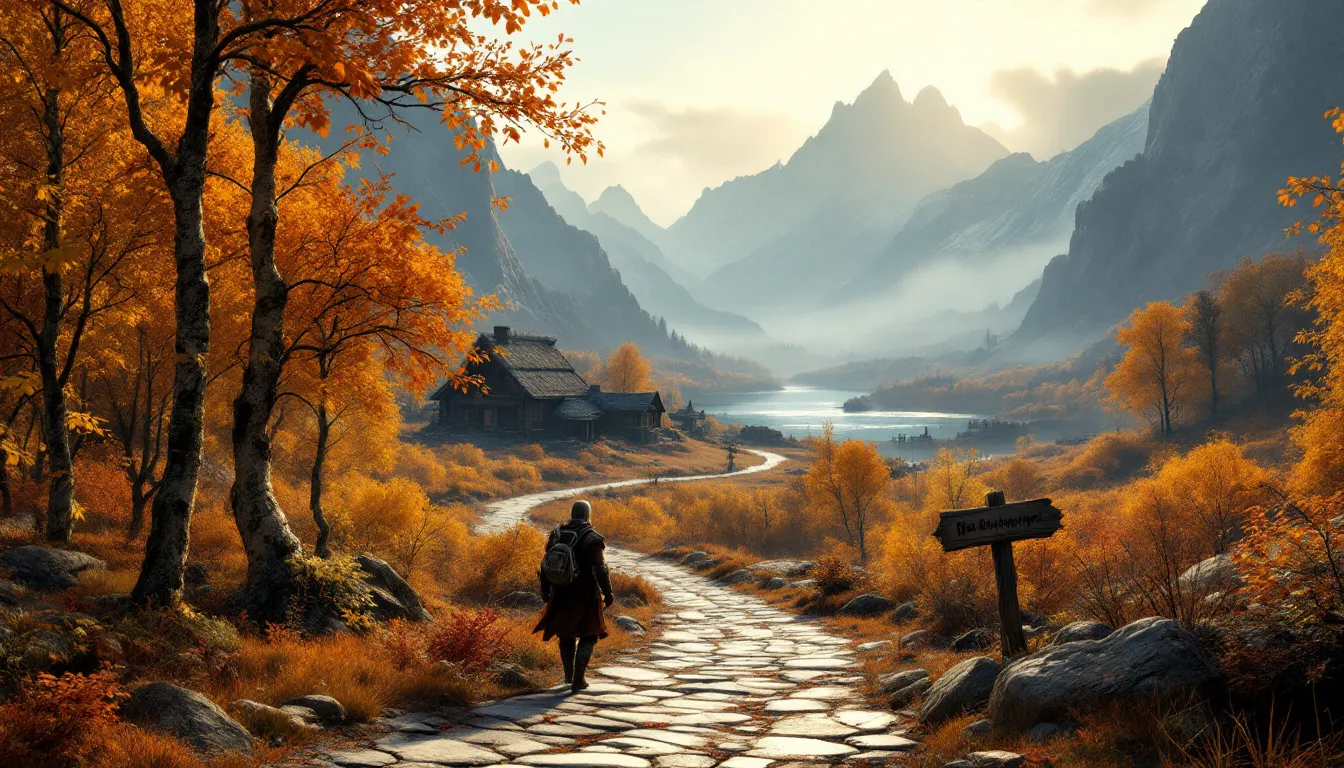
The southeastern corner of Skyrim holds one of the game’s most visually striking regions. Golden birch forests, winding mountain paths, and a capital city ruled by corruption make The Rift a hold that rewards thorough exploration. Whether you’re hunting for the Thieves Guild, clearing Nordic ruins, or just soaking in the autumnal atmosphere, this region packs more content per square mile than most of Skyrim’s other holds.
Players often rush through The Rift on their way to Riften’s questlines, but that’s a mistake. The hold contains some of the best dungeon design in the base game, unique loot that’s easy to miss, and environmental storytelling that rivals anything Bethesda’s created. This guide breaks down everything from major faction quests to hidden treasures tucked away in forgotten barrows.
Table of Contents
ToggleKey Takeaways
- The Rift in Skyrim combines distinctive autumnal forests, vertical city design, and high content density, making it one of the game’s most rewarding regions despite its overlooked status.
- The Thieves Guild questline dominates The Rift with 12-15 hours of content, culminating in prestigious rewards like Nightingale Armor and the leveled Chillrend sword that scales effectively into late-game.
- Riften’s three-district layout—main plaza, residential canal, and Ratway—creates natural exploration zones, with the underground canal system serving as both a narrative hub and functional fast-travel network once discovered.
- Key dungeons like Shroud Hearth Barrow, Snow Veil Sanctum, and Goldenglow Estate showcase varied encounter design, from combat gauntlets to environmental puzzles that allow multiple approach strategies based on your playstyle.
- Optimal Thieves Guild performance requires stealth-focused builds with Sneak (50+), Lockpicking (40+), and Muffle enchantments, though the questline remains viable for any build at the cost of reduced rewards.
- The Rift rewards thorough exploration with hidden secrets like Honeyside’s secret room, environmental storytelling (Scorched Hammer smithy), and high-density resource clusters (Sarethi Farm nirnroot spawns), justifying extended engagement with the hold.
What Is The Rift in Skyrim?
The Rift occupies the southeastern portion of Skyrim, bordered by Morrowind to the east and the Jerall Mountains to the south. It’s one of the game’s nine holds, with Riften serving as its capital and seat of power under Jarl Laila Law-Giver (or Maven Black-Briar, depending on Civil War outcomes).
The hold’s defining feature is its perpetual autumn aesthetic. While most of Skyrim drowns in snow and pine forests, The Rift maintains a warm color palette that stands out the moment you cross its borders.
Geography and Climate of The Rift
The Rift sits at a lower elevation than the northern holds, which explains its milder climate. Lake Honrich dominates the western portion of the region, with Riften built directly on its shores. The lake connects to an extensive canal system beneath the city, a detail that becomes important during Thieves Guild quests.
Mountainous terrain frames the hold’s eastern and southern edges, creating natural chokepoints for travel. The main roads run northwest toward Whiterun Hold and southwest toward Falkreath, with smaller paths winding through the forests to various settlements and ruins.
Temperatures in The Rift remain above freezing year-round in-game, though snowfall does occur at higher elevations. This makes it one of the few regions where cold-weather survival mods actually let you shed the fur armor without penalties.
The Autumnal Forest Landscape
The birch forests of The Rift use a warm color palette, golds, oranges, and reds, that creates constant golden-hour lighting. It’s purely aesthetic (the game doesn’t simulate seasonal changes), but it’s effective environmental design. The fall colors make landmarks easier to spot and give the region a distinct visual identity.
Aspen groves cluster near water sources, while rocky outcroppings break up the forest canopy at irregular intervals. Wildlife spawns include bears, sabre cats, and the occasional giant, with bandit camps scattered along major roads. The density of hostile encounters sits somewhere between Falkreath’s relative peace and The Reach’s constant ambushes.
Riften: The Capital City of The Rift
Riften’s reputation precedes it. The city’s economy runs on three pillars: legitimate trade through the fishery and market stalls, Black-Briar Meadery’s brewing empire, and the Thieves Guild’s criminal operations. The tension between these factions defines most of the city’s questlines.
The city’s layout centers on a canal system that connects Lake Honrich to the Ratway beneath the streets. Wooden walkways and multi-level construction give Riften more vertical design than most Skyrim cities, though performance-wise it’s one of the more stable urban areas on older hardware.
Navigating Riften’s Districts and Key Locations
Riften divides into three distinct areas: the main plaza, the residential canal district, and the Ratway. The plaza contains most essential services, Pawned Prawn (general goods), The Bee and Barb (inn), the Temple of Mara, and the marketplace. Vendors here sell standard gear, though Balimund the blacksmith offers decent mid-level equipment.
The residential district wraps around the canal network. Key locations include:
- Black-Briar Manor (locked, only accessible during specific quests)
- Honeyside (purchasable player home, 8,000 gold)
- Haelga’s Bunkhouse (cheap rest option)
- Mistveil Keep (Jarl’s residence and quest hub)
The canal system itself serves as a secondary fast-travel network once you know the gate locations. Players familiar with the modding community often enhance water effects here, since the vanilla canals look dated by 2026 standards.
The Thieves Guild and Ratway
The Ratway entrance sits behind the Riften market, accessible through a wooden door near the city’s main gate. The underground network connects to the cistern (Thieves Guild headquarters), the Ragged Flagon (guild tavern), and various smuggling tunnels that exit outside the city walls.
First-time visitors usually encounter Brynjolf in the market plaza, who initiates the Thieves Guild recruitment quest. The Ratway itself spawns low-level enemies (typically skeevers and vagrant NPCs), making it an easy dungeon for early-game characters.
The cistern becomes a major quest hub once you join the guild. It houses training services (Vipir the Fleet for pickpocket, Niruin for archery), fences for selling stolen goods, and storage that’s technically safe even though being in a crime den.
Major Quests and Storylines in The Rift
The Rift hosts three primary questlines plus numerous smaller jobs. Most players hit the region around level 10-15, though the Thieves Guild scales content for a wide level range.
The Thieves Guild Questline
The full Thieves Guild storyline requires 12-15 hours to complete, depending on how many radiant jobs you grind for the restoration quests. The main plot follows a standard heist-and-betrayal arc, but the dungeon design carries it.
Key quests include:
- A Chance Arrangement (recruitment)
- Loud and Clear (Goldenglow Estate heist)
- Scoundrel’s Folly (infiltration quest)
- Speaking With Silence (Snow Veil Sanctum)
- Trinity Restored (finale)
The questline rewards include the Nightingale Armor set (light armor with solid enchantments), Chillrend (leveled glass sword with frost damage), and access to the Nightingale Hall. The armor remains competitive into late-game for stealth builds, though min-maxers eventually replace it with custom enchanted gear.
Restoring the guild to its former glory requires completing radiant jobs in four cities (Whiterun, Windhelm, Solitude, and Markarth). Each city needs 5 jobs plus a special assignment, which unlocks guild upgrades and additional vendors. It’s grindy but necessary for 100% completion.
The Temple of Mara and Marriage Quests
The Temple of Mara in Riften serves as Skyrim’s marriage hub. After completing “The Book of Love” quest for Dinya Balu, players can purchase an Amulet of Mara (200 gold) that enables marriage proposals to eligible NPCs.
The Book of Love quest sends players across Skyrim to resolve relationship problems for three couples. It’s lightweight content that rewards the Agent of Mara buff (+15% magic resistance). The quest design is straightforward fetch-and-talk work, but the magic resistance stacks with other buffs, making it worthwhile for any build.
Marriage mechanics themselves unlock spouse benefits (daily merchant gold, home-cooked meals) and allow certain followers to move into player homes. For detailed relationship mechanics, resources like marriage guides break down the full compatibility chart.
Civil War Quests in The Rift
The Rift changes hands during the Civil War questline depending on player allegiance. Imperial-aligned players assault Riften as part of the “Compelling Tribute” and “The Battle for Fort Greenwall” quests. Stormcloak players defend it or use it as a staging ground.
Liberation of the Rift (Imperial path) replaces Jarl Laila with Maven Black-Briar, which alters some merchant dialogue but doesn’t significantly impact available quests. Fort Greenwall, located southwest of Riften, serves as the primary military objective.
Civil War completion affects future dialogue with Riften NPCs, particularly Thieves Guild members who reference the political shift. Maven’s elevation to Jarl actually makes certain guild operations more convenient, since she’s already the guild’s primary patron.
Notable Dungeons and Locations to Explore
The Rift contains 23 marked locations and roughly a dozen unmarked points of interest. Three dungeons stand out for unique loot, quest relevance, or design quality.
Shroud Hearth Barrow
Located directly east of Ivarstead (the village at the base of the Throat of the World), Shroud Hearth Barrow ties into the “Lifting the Shroud” miscellaneous quest. The barrow features a ghost visual effect that turns out to be a prankster using a Sapphire Dragon Claw, one of four unique claws not required for main quest progression.
The dungeon layout follows standard Nordic ruin design: draugr enemies, pressure plate traps, and a puzzle door requiring the dragon claw. Mid-level draugr spawn here, making it appropriate for characters level 12+.
Loot includes the Shroud Hearth Barrow Key (unlocks display case with minor potions) and leveled gold. The Sapphire Claw itself becomes a decoration piece once you clear the dungeon, though some players donate it to museum mods for completion’s sake.
Snow Veil Sanctum
Snow Veil Sanctum plays a critical role in the Thieves Guild quest “Speaking With Silence.” The ruin sits northeast of Windhelm, technically just outside The Rift’s borders, but it’s accessed primarily through Rift questing.
The dungeon is locked until you reach the appropriate quest stage, after which you infiltrate it alongside Mercer Frey. The layout emphasizes environmental puzzles over combat, with several chain-pull sequences and a memorable trap hallway.
Karliah ambushes your party here, triggering a major plot twist. The dungeon rewards include progression toward Nightingale armor and story development rather than immediate loot. Enemy-wise, expect draugr and the occasional frostbite spider.
Goldenglow Estate
Goldenglow Estate serves as the target for the Thieves Guild quest “Loud and Clear.” It’s a bee farm and meadery on an island in Lake Honrich, accessible by swimming or using the nearby dock.
The quest offers multiple approach vectors:
- Stealth approach: Pick the gate lock, sneak through the basement
- Direct assault: Fight through the mercenary guards (not recommended for low-level characters)
- Hybrid: Clear the exterior, stealth the interior
Objectives include burning three beehives (use fire spells or torches), clearing the safe in Aringoth’s bedroom, and avoiding unnecessary casualties to maximize quest rewards. The estate contains the Goldenglow Bill of Sale, which reveals Maven Black-Briar’s involvement in the operation.
Loot quality is average (minor potions, leveled gold, some jewelry), but the dungeon design allows for genuine player expression in approach strategy. Nearby explorers might also discover remnants of ancient Nordic architecture scattered throughout the region’s landscape.
Unique Loot and Treasures in The Rift
The Rift’s loot economy skews toward mid-level rewards, with a few standout pieces for specific builds. Unique items here often require quest completion rather than dungeon exploration.
Legendary Weapons and Armor
The region’s best gear comes from questlines:
Chillrend (leveled glass sword): Obtained during “The Pursuit” Thieves Guild quest. The weapon has three possible stat tiers based on when you acquire it:
- Level 1-18: Base damage 11, frost damage 15 pts, chance to paralyze 2 sec
- Level 19-26: Base damage 13, frost damage 20 pts, chance to paralyze 2 sec
- Level 27+: Base damage 15, frost damage 30 pts, chance to paralyze 2 sec
Min-maxers wait until level 46+ to grab it, maximizing the enchantment strength. It’s one of the few leveled rewards worth delaying.
Nightingale Armor Set: Complete “Trinity Restored” to receive the full set (armor, boots, gloves, hood). Each piece carries relevant stealth enchantments, stamina buffs, muffle effects, and lockpicking bonuses. Light armor skill benefits from wearing the full set, making it ideal for archer-thief hybrids.
Dravin’s Bow: A leveled longbow obtained during “Bow to the Master” (quest given by Dravin Llanith in Merryfair Farm). Stats match standard longbows for your level, but it’s one of the few named bows in the region.
The region also contains several Dwarven mechanisms in locations like Avanchnzel, though that technically sits on the border with The Reach.
Skill Books and Standing Stones
The Rift holds several skill books worth hunting:
- 2920, Evening Star, v12 (Destruction, Cragslane Cavern)
- Thief (Pickpocket, Riften marketplace)
- The Legendary Sancre Tor (Block, Honeyside)
- Incident at Necrom (Alteration, Ivarstead)
- Mystery of Talara, v1 (Restoration, Heartwood Mill)
The Shadow Stone sits east of Riften, offering invisibility once per day. It’s situational, the invisibility only lasts 60 seconds, but it synergizes well with stealth builds during the early game when magicka pools are low.
The Lover Stone technically falls in Riften’s territory, located west of the city near the Guardian Stones cluster. The 15% skill learning bonus makes it one of the most efficient stones for power-leveling, though min-maxers typically swap to specialized stones once they hit high skill thresholds.
Tips for Surviving The Rift
The Rift’s threat level sits in the mid-range compared to other holds. Enemy variety favors wildlife and bandits over the heavily armored Forsworn or dragon priest encounters found elsewhere.
Combat Strategies for Common Enemies
Bears spawn frequently along forest paths. They’re aggressive at all levels and hit harder than their health pools suggest. Kiting works for ranged builds: melee characters should use power attacks to stagger them, then create distance for healing. Fire damage doesn’t offer special bonuses against bears even though the folklore, physical damage output matters more.
Sabre cats ambush from high ground or dense foliage. Their pounce attack can stunlock low-armor characters. Counter by maintaining awareness of terrain (check ridgelines before walking beneath them) and keeping AoE spells ready for crowd control. Dual-wielding sabre cats occasionally spawn in pairs, which can shred under-leveled players.
Bandits in The Rift use standard loadouts, mix of melee, archers, and occasional mages. The camps here don’t feature unique tactics, but positioning matters. Halted Stream Camp and similar locations use elevated archer platforms, so prioritize ranged enemies before engaging melee bruisers.
Draugr dominate dungeon content. The Rift’s Nordic ruins spawn standard draugr types (restless, wight, scourge, deathlord at higher levels). Fire damage deals bonus damage to draugr across all variants. Bring fire enchanted weapons or Flames/Firebolt spells for efficiency. Frost resistance potions counter draugr frost-based shouts.
Best Character Builds for The Rift Questlines
Thieves Guild content heavily favors stealth-archery or stealth-dagger builds, but it’s completable with any playstyle. The game doesn’t fail you for killing during stealth quests, you just earn smaller rewards.
Optimal Thieves Guild build:
- Skills: Sneak (50+), Lockpicking (40+), Pickpocket (30+), One-Handed or Archery (40+)
- Gear: Muffle enchantments, fortify sneak, night vision (from vampire abilities or potions)
- Perks: Muffled Movement, Silent Roll, Deadly Aim or Assassin’s Blade
If you’re running a two-handed warrior or destruction mage, the guild questline becomes a combat gauntlet instead of a stealth exercise. It’s viable but removes the intended gameplay loop. Players using spell overhaul mods might find illusion magic trivializes stealth sections entirely.
Civil War build flexibility: The Rift’s war quests work with any build. Fort Greenwall battles reward AoE damage (Fireball, Chain Lightning) and crowd control over single-target DPS. Bring healing potions regardless of build, the NPC allies don’t resurrect if they drop.
Fast Travel Points and Navigation Tips
The Rift unlocks 11 discoverable fast travel points, plus Riften itself. Efficient navigation reduces backtracking during radiant quests, which frequently send players between cities.
Primary fast travel locations:
- Riften (city center)
- Ivarstead (base of Throat of the World, southwest corner)
- Shor’s Stone (mining village, north-central)
- Heartwood Mill (lumber mill, northwest)
- Largashbur (Orc stronghold, southeast)
Secondary dungeons/camps (auto-unlock upon discovery):
- Goldenglow Estate
- Riftweald Manor
- Shroud Hearth Barrow
- Forebears’ Holdout
- Cragslane Cavern
The fastest route from Whiterun to Riften follows the southeastern road past Valtheim Towers, then cuts south along the mountain pass. Carriage services at major cities offer instant travel to Riften for 20-50 gold depending on distance.
Ivarstead serves as a critical waypoint for Throat of the World access. Players grinding the main quest while tackling Thieves Guild content should unlock this location early to minimize travel time.
Mount speed doesn’t vary in vanilla Skyrim (all horses run 45% faster than player sprint), but terrain affects effective travel time. The Rift’s relatively flat forests allow for straight-line horse travel more easily than The Reach’s vertical terrain.
Hidden Secrets and Easter Eggs
Bethesda packed The Rift with subtle environmental storytelling and references that reward exploration off the beaten path.
The Scorched Hammer: East of Riften, a burned-down smithy sits abandoned with skeletal remains. Reading the notes inside reveals a blacksmith’s failed attempt to forge a legendary weapon. No quest triggers here, it’s pure environmental narrative. The location spawns minor loot and serves as a reminder that not every dungeon needs a quest marker.
Honeyside Secret Room: Riften’s purchasable player home contains a hidden back entrance accessible through the cemetery. Buying the house and its “alchemy lab” upgrade opens a bookshelf that swings out, revealing a storage room. It’s not documented in-game, making it one of the few player-discoverable secrets in vanilla housing.
Grelka’s Past: The armor merchant in Riften carries unusual dialogue if you’ve completed specific Dark Brotherhood quests. She references contracts without direct acknowledgment, breaking the fourth wall slightly. It’s a nice touch for players who complete multiple faction questlines.
The Rift’s Bee Population: Goldenglow Estate isn’t the only bee farm. Investigating Honeystrand Cave reveals that the local ecosystem supports wild bee colonies, and harvesting them yields bee-related alchemy ingredients. It’s worldbuilding that most players ignore while bee-lining for quest objectives.
Sarethi Farm Nirnroot: The farm east of Riften spawns 3-5 nirnroot plants near the water source. Players hunting the 30 crimson nirnroot for Blackreach quests often overlook these regular variants, which are needed for alchemy experimentation. According to community tracking on sites like GameSpot’s ingredient guides, this is one of the densest nirnroot spawn clusters outside of Blackreach.
Haelga’s Unusual Hobbies: Searching Haelga’s room in the Bunkhouse reveals Dibella statues, stamina potions, and a Marks of Dibella questline tie-in. The implication is clear, but Bethesda kept it subtle enough to avoid controversy. It’s one of the game’s rare instances of adult themes handled through environmental design rather than explicit dialogue.
Conclusion
The Rift delivers concentrated content density that few other holds match. Between the Thieves Guild’s branching questlines, Riften’s political intrigue, and the region’s atmospheric dungeon design, it’s easy to spend 20+ hours here without exhausting the available content.
The autumnal aesthetic alone makes it worth exploring, but the mechanical rewards, Nightingale armor, Chillrend, guild upgrades, give players tangible reasons to engage with every corner of the hold. Whether you’re optimizing a stealth build, collecting skill books, or just enjoying the golden forests, The Rift remains one of Skyrim’s most thoroughly designed regions a decade and a half after release.
For players still discovering Skyrim’s depth in 2026, The Rift serves as a masterclass in environmental storytelling and quest design. It’s not the biggest hold, but it might be the most memorable.