On November 11, 2011, millions of gamers across PC, PlayStation 3, and Xbox 360 experienced the same thing: waking up on a cart, hands bound, headed toward an uncertain fate. “Hey, you. You’re finally awake.” Those five words launched one of gaming’s most enduring franchises into the stratosphere and created a cultural touchstone that’s still referenced fifteen years later. The Skyrim intro isn’t just a tutorial sequence, it’s a masterclass in environmental storytelling, a technical marvel (bugs despite), and the birthplace of countless memes. Whether you’re firing up the game for the first time in 2026 or revisiting it on your fourth platform, understanding the opening sequence adds layers to an already rich experience. From the infamous cart glitch to the narrative threads woven into every line of dialogue, the intro to The Elder Scrolls V: Skyrim deserves a deep dive.
Table of Contents
ToggleKey Takeaways
- The Skyrim intro masterfully weaves environmental storytelling, character dynamics, and political lore into a single unforgettable sequence that has shaped gaming culture for over fifteen years.
- Your choice between following Ralof or Hadvar during the Helgen escape doesn’t lock you into a faction and affects primarily your first hour of gameplay and starting gear.
- High framerates on PC can trigger the notorious cart glitch due to Skyrim’s physics engine being tied to framerate; capping FPS at 60 and using the Unofficial Patch provides effective fixes.
- Alduin’s arrival during your execution isn’t random—later lore suggests the dragon sensed your Dragonborn soul and may have intervened to prevent your death, linking the dragon crisis to your character’s destiny.
- New players should absorb the Skyrim opening dialogue carefully, as the game embeds essential lore about the civil war, geography, and culture without repeating this information elsewhere.
- The Skyrim intro’s iconic opening line and cart ride have transcended the game to become universal meme formats, cementing the opening as a cultural touchstone referenced across gaming communities.
What Makes the Skyrim Intro So Memorable?
The brilliance of the Skyrim opening lies in its slow-burn approach to world-building. Unlike games that throw you into action immediately, Bethesda forces you to sit on that cart for several minutes, absorbing dialogue, character dynamics, and environmental details. You’re powerless, literally bound, which creates immediate empathy and investment in your character’s survival.
The skyrim opening dialogue is deceptively dense. Ralof’s conversation reveals the political landscape of Skyrim, the Stormcloak rebellion, and the Empire’s brutal response in under three minutes. Lokir’s panic and failed escape attempt show the stakes. The Thalmor presence hints at deeper conspiracies. All of this happens before you’ve even created your character.
Visually, the journey to Helgen showcases Skyrim’s environmental design. Snow-capped mountains, Nordic architecture, and the ominous scale of the world set expectations perfectly. The musical score, Jeremy Soule’s “Dragonborn” theme building in the background, creates an emotional hook that still gives longtime fans chills.
But there’s also an element of shared experience. Every single player, regardless of race choice or playstyle, goes through this exact sequence. That universality is rare in open-world RPGs and creates a collective memory across the entire player base. When someone references “the cart ride,” millions of gamers know exactly what that means.
The Full Skyrim Intro Sequence Breakdown
The Cart Ride to Helgen
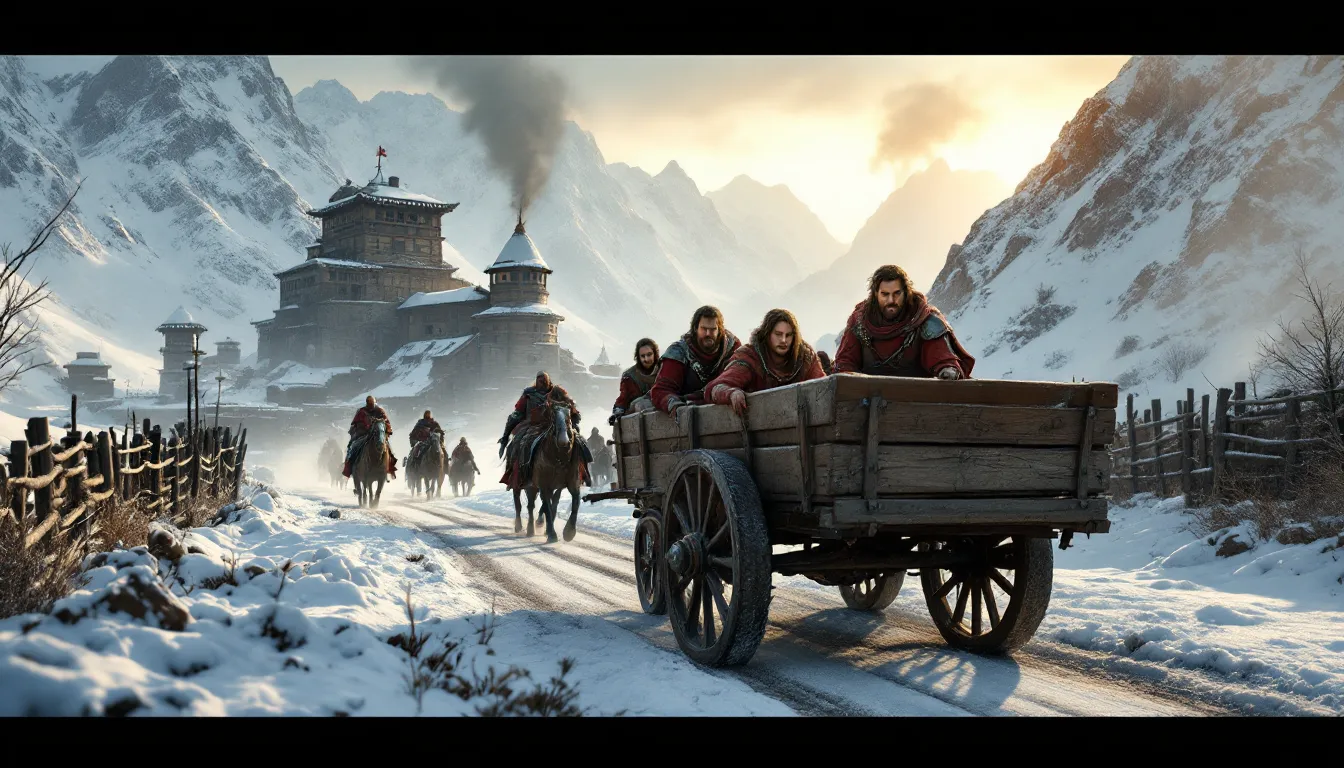
The intro begins in media res, you’re already captured, already doomed. The cart carries four prisoners: Ralof (a Stormcloak soldier), Ulfric Stormcloak himself (gagged and silent), Lokir (a horse thief from Rorikstead), and your character. The ride takes approximately 3-4 minutes of real-time if you don’t skip dialogue.
Ralof’s opening line, “You’re finally awake”, has become one of gaming’s most recognizable quotes, spawning thousands of memes and video edits. His following monologue establishes the civil war context and identifies key figures. The dialogue subtly changes based on which prisoner he’s addressing, adding reactivity most players never notice on their first playthrough.
The Imperial soldiers escorting the cart are professional but callous. They’re executing prisoners, including one they captured by mistake (you), without hesitation. This moral ambiguity sets the tone for Skyrim’s faction conflicts, there are no clear heroes here.
Character Creation and The Imperial Roster
When the cart arrives at Helgen, Captain Renaud begins calling out names. This is where character creation happens, integrated seamlessly into the narrative rather than pausing for a menu screen. When they can’t find your name on the list, you’re prompted to define your race, gender, and appearance.
The race selection here determines starting skill bonuses and racial abilities, though the game doesn’t explain these mechanics during the intro itself. Many new players pick based purely on aesthetics, only discovering later that their Nord mage or Altmer warrior faces uphill stat challenges.
Hadvar, the Imperial soldier managing the roster, tries to help. His attempt to spare you from execution foreshadows his role as a potential ally moments later. The dialogue here branches slightly based on your race, Imperials get a different reaction than Dark Elves or Argonians, adding subtle reactivity.
The Execution Scene and Alduin’s Arrival
The execution sequence is brutal and immediate. A nameless Stormcloak prisoner volunteers to die first, kneels at the block, and is beheaded in first-person view. It’s shocking, especially for 2011 standards, and establishes that Skyrim doesn’t pull punches.
When your turn comes, Alduin arrives. The World-Eater himself, a massive black dragon, descends on Helgen and begins destroying everything. The carefully controlled execution becomes chaos. Buildings burn, NPCs flee and die, and the scripted intro gives way to semi-emergent gameplay.
Alduin’s appearance is perfectly timed, just late enough that you feel the weight of impending death, just early enough to prevent actual execution. His shout, “Yol Toor Shul.” (Fire Sun Shout), rains meteors on the town. It’s the first glimpse of the Thu’um’s power, a mechanic that defines much of Skyrim’s main questline.
Key Characters You Meet in the Opening
Ralof and Hadvar: Choosing Your Path
As Helgen burns, you face your first real choice: follow Ralof (the Stormcloak) or Hadvar (the Imperial). This decision doesn’t lock you into a faction permanently, but it affects your first hour of gameplay and shapes early impressions of both sides.
Ralof’s path takes you through Helgen’s keep alongside Stormcloak soldiers. You’ll loot Imperial gear and fight Imperial soldiers. Ralof presents the Stormcloaks as freedom fighters resisting an oppressive Empire. His interactions with his sister Gerdur in Riverwood later reinforce the personal stakes of the rebellion.
Hadvar’s path mirrors this but from the Imperial perspective. You’ll fight Stormcloaks, loot Nordic gear, and hear justifications for the Empire’s harsh tactics. Hadvar’s uncle Alvor in Riverwood provides similar support, and many players find Hadvar’s calm professionalism more likable than Ralof’s passionate idealism.
Game mechanically, the choice affects which armor and weapons you have easy access to early. Hadvar’s path provides slightly better early-game loot for heavy armor builds, while Ralof’s favors light armor. Experienced players often choose based on their planned build rather than narrative preference.
Ulfric Stormcloak and the Civil War Setup
Ulfric doesn’t speak during the intro, he’s gagged to prevent him from using the Thu’um, a detail that tells you everything about his power level before he’s even characterized. His presence in the cart, bound and silent but defiant, establishes him as a credible threat to the Empire.
The fact that General Tullius is personally overseeing Ulfric’s execution shows how high the stakes are. This isn’t a minor skirmish, the Empire is trying to end a civil war by decapitating its leadership. Alduin’s intervention saves Ulfric and ensures the conflict continues, which many fans interpret as the dragon crisis and civil war being thematically linked.
Ulfric’s execution of High King Torgrig using the Thu’um, mentioned in dialogue, is the inciting incident for the rebellion. The intro doesn’t explain this in detail, but seasoned players know that this act of “murder” versus “honorable combat” is the moral crux of the entire civil war storyline.
General Tullius and the Imperial Legion
General Tullius appears briefly but makes an impression. He’s pragmatic to the point of callousness, prioritizing military efficiency over justice. His willingness to execute you even though the lack of paperwork reveals the Empire’s desperation, they’re willing to bend their own rules to crush the rebellion quickly.
Tullius’s dismissal of Ulfric’s Talos worship as “nonsense” shows his disconnect from Nord culture. He sees the rebellion as a military problem, not a religious or cultural one, which blinds him to why so many Nords support Ulfric even though his flaws. This characterization is efficient, you understand Tullius’s worldview in less than a minute of screentime.
How the Intro Sets Up Skyrim’s Main Storylines
The Dragon Crisis and Alduin’s Return
Alduin’s attack on Helgen is the catalyst for the entire main quest. Dragons have been extinct for thousands of years, Alduin’s return is apocalyptic. The intro doesn’t explain why he’s returned (that’s revealed much later), but it establishes the immediate threat.
Interestingly, Alduin’s appearance during your execution isn’t random. While it seems like a coincidence, later lore reveals that Alduin sensed your presence as Dragonborn and may have intervened specifically to stop your death. Whether this was intentional on his part or a dragon’s instinctive response to another dragon soul is deliberately ambiguous.
The devastation Alduin causes in minutes shows the scale of the threat. Helgen, a fortified Imperial town with trained soldiers, is reduced to rubble. When guides mention the dragon crisis, they often reference this intro as the baseline for power scaling, if a single dragon can do this, imagine what Alduin at full strength represents.
The Stormcloak Rebellion vs. Imperial Legion
The civil war is the other major storyline introduced in the opening. Every line of dialogue, every environmental detail, reinforces the conflict’s complexity. The Imperials are executing prisoners en masse, which is barbaric, but they’re doing it to end a war that’s tearing Skyrim apart.
The Stormcloaks fight for religious freedom and Nord sovereignty, which sounds noble, but Ulfric’s methods (shouting a king to death, inciting civil war during a crisis) are morally questionable. The intro deliberately presents both sides’ perspectives without editorializing, forcing players to form their own opinions.
This narrative setup is why the civil war questline remains controversial in the community. Neither faction is purely good or evil, and the intro establishes that moral ambiguity from minute one. Your choice of Ralof or Hadvar is the first in a series of decisions that don’t have clear right answers.
Common Bugs and Glitches in the Skyrim Intro
The Infamous Cart Glitch
The cart glitch is Skyrim’s most notorious bug, and for many players, their first introduction to Bethesda’s… unique relationship with QA. The glitch causes the cart to spaz out violently, clipping through terrain, launching into the sky, or vibrating so intensely that all the NPCs die on impact.
This happens most frequently on PC when the framerate exceeds 60 FPS. Skyrim’s physics engine ties to framerate, so high refresh rate monitors (120Hz, 144Hz) cause physics objects to behave erratically. The solution for PC players is to cap the framerate at 60 FPS in the .ini files or use mods that decouple physics from framerate.
On console, the glitch is rarer but still occurs, usually triggered by the console entering rest mode during the intro or disc read errors on older hardware. The PlayStation 4 and Xbox One versions reduced cart glitch frequency significantly, and the Special Edition (2016) and Anniversary Edition (2021) patched many (but not all) instances.
When the glitch happens, the intro often becomes uncompletable. NPCs die, scripted events break, and you’re stuck in a hellish cart ride that never ends. It’s frustrating, hilarious, and quintessentially Skyrim.
How to Fix Intro Problems on PC and Console
For PC players experiencing cart glitches:
- Cap your framerate to 60 FPS. Edit
SkyrimPrefs.iniand addiFPSClamp=60under the[Display]section. - Disable all mods for the intro. Even cosmetic mods can interfere with scripted sequences. Enable them after reaching Riverwood.
- Use the Unofficial Skyrim Special Edition Patch (USSEP). This community mod fixes thousands of bugs, including several intro-specific issues.
- Verify game files through Steam, GOG, or whichever platform you’re using. Corrupted files cause unpredictable behavior.
For console players:
- Delete and reinstall the game if glitches persist. Sometimes save data corruption affects even new games.
- Disable mods if you’re playing Special Edition or Anniversary Edition with the mod menu. Run the intro vanilla.
- Ensure your console has adequate ventilation. Overheating can cause performance issues that trigger physics bugs.
If all else fails, Alternate Start mods (detailed in the next section) bypass the intro entirely. While you miss the narrative experience, it’s better than being permanently trapped in cart purgatory.
How to Skip the Skyrim Intro
Using Console Commands to Skip the Opening
PC players can skip directly to character creation or beyond using console commands. Press the tilde key (~) during the cart ride to open the console, then enter:
coc Riverwood
This teleports you to Riverwood immediately. But, you’ll skip character creation entirely and play as a default Nord prisoner. To properly set up your character, use:
showracemenu
This opens the character creator. Choose your race, appearance, and name. Be aware that changing race after character creation can cause bugs with racial abilities and skill bonuses, so make your final choice here.
Another command option:
coc HelgenKeepCave
This skips the cart ride and execution but starts you in the cave system beneath Helgen, allowing you to play through the dungeon tutorial before emerging in the world. It’s a middle-ground option for those who want some intro experience without the full fifteen-minute sequence.
Alternate Start Mods for PC Players
For players on their second, third, or twentieth playthrough, Alternate Start – Live Another Life is the gold standard mod for skipping the intro. Available on Nexus Mods and the Skyrim Special Edition’s in-game mod menu (for Xbox and PC), it lets you begin as:
- A property owner in any major city
- A guild member (Companions, Thieves Guild, etc.)
- A patron in an inn
- A shipwreck survivor
- A vampire in a coven
- Dozens of other scenarios
You can still trigger the main quest by traveling to Helgen later and investigating the dragon attack aftermath. Reviews from major gaming outlets frequently cite Alternate Start as essential for veteran players who’ve seen the cart ride too many times.
Realm of Lorkhan is another popular alternative. It starts you in a metaphysical realm where you choose your starting gear, spells, and location before entering Skyrim. It’s faster than Live Another Life and more customizable, though less immersive narratively.
Both mods are compatible with most other Skyrim mods but should be loaded early in your load order. They’re available for PC (both Legendary Edition and Special Edition) and Xbox One/Series X via the mod menu. PlayStation versions exist but with reduced functionality due to Sony’s mod restrictions.
The Cultural Impact and Memes Born from the Intro
“Hey, you. You’re finally awake.” These words have transcended Skyrim to become a universal internet meme format. The setup, waking up disoriented in an unexpected situation, has been applied to everything from current events to other game releases. When Cyberpunk 2077 launched with a similar opening sequence in 2020, the comparisons were immediate and merciless.
The cart ride itself became shorthand for “here we go again” among gamers. Screenshots of the cart glitch, characters twisted into impossible shapes, carts flying through the sky, circulate regularly on Reddit’s r/skyrim community. These aren’t bugs players want fixed: they’re features that add to Skyrim’s chaotic charm.
Todd Howard’s presentations at E3 have also contributed to the meme ecosystem. Every time Bethesda announces a new Skyrim port (Nintendo Switch, Alexa, refrigerators, okay, that last one was a joke, but barely), the community jokes about waking up on the cart again. When gaming communities like Game8 discuss replay value, Skyrim’s intro is both praised for its quality and mocked for its unskippable length on consoles.
The intro’s cultural staying power is remarkable. Fifteen years after release, new players still experience it for the first time and veteran players still reference it. That kind of longevity is rare, even other Elder Scrolls games don’t have openings that penetrated mainstream consciousness the way Skyrim’s did.
Tips for New Players Starting Their First Playthrough
If this is your first time through the intro, here’s what you should know:
Pay attention to the dialogue. Ralof, Hadvar, and the other NPCs drop essential lore about Skyrim’s political situation, geography, and culture. The game won’t repeat this information in exposition dumps later, it expects you to absorb it here.
Don’t stress about your race choice. While racial bonuses matter for min-maxing, Skyrim’s leveling system is flexible enough that any race can master any playstyle. Pick based on aesthetic preference or roleplaying goals. The differences matter most in the first 10 levels: after that, player skill and gear choices dominate.
Ralof vs. Hadvar doesn’t lock you into a faction. You can follow Ralof and still join the Imperial Legion later, or vice versa. The choice affects about an hour of gameplay and your starting gear, nothing more. Choose based on which character you liked better or which loot you want.
Grab everything in Helgen Keep. The dungeon beneath Helgen has tons of loot, crafting materials, and skill books. Don’t rush through, explore side rooms, open every chest, and loot every corpse. The gear you collect here will carry you through the early game.
Save often. Once you exit Helgen Keep, you’re in the open world and can get distracted for hours. Manual save before making any major decisions. Autosaves are frequent, but manual saves give you more control over your playthrough.
Talk to Alvor or Gerdur in Riverwood. Whichever NPC you’re directed to (based on your Ralof/Hadvar choice), actually speak with them. They provide your first safe house, some starting gold, and direct you toward the main quest. New players sometimes skip this and wander aimlessly for hours.
If you’re curious about optimal playtime expectations or want to understand what content is appropriate before diving in, those resources exist. But the intro itself is universally accessible, it’s designed to onboard players with zero Elder Scrolls experience.
One often-overlooked detail: the Blades faction is tangentially referenced during the execution scene when Tullius mentions “the old guard.” This is easy to miss but adds context when you encounter Delphine and Esbern later. Skyrim’s intro is dense with these small narrative threads that pay off dozens of hours later.
For players interested in roleplaying, consider using an Imperial name generator before starting if you’re planning an Imperial character. Having a lore-appropriate name deepens immersion during the roster scene.
Conclusion
The Skyrim intro remains a benchmark for how to open an RPG. It establishes lore, introduces key characters, presents moral complexity, and creates an immediate threat, all while maintaining player agency through environmental storytelling rather than cutscenes. Yes, it’s prone to physics-defying glitches. Yes, veteran players want to skip it after the twentieth playthrough. But its cultural impact and narrative efficiency are undeniable.
Whether you’re waking up on that cart for the first time in 2026 or you’ve seen Ralof’s face more times than your own family, the opening to The Elder Scrolls V: Skyrim is a shared experience that connects millions of players across platforms and generations. From the skyrim opening dialogue that sets up a continent-spanning civil war to the moment Alduin descends and changes everything, those fifteen minutes are gaming history. The memes, the glitches, the debates about Ralof versus Hadvar, they’re all part of what makes Skyrim more than just a game. It’s a cultural phenomenon, and it all starts with five simple words: “Hey, you. You’re finally awake.”